 CLiMIS
Recent Publications
SSD Weekly Weather Forecast 14-21 Oct 2026
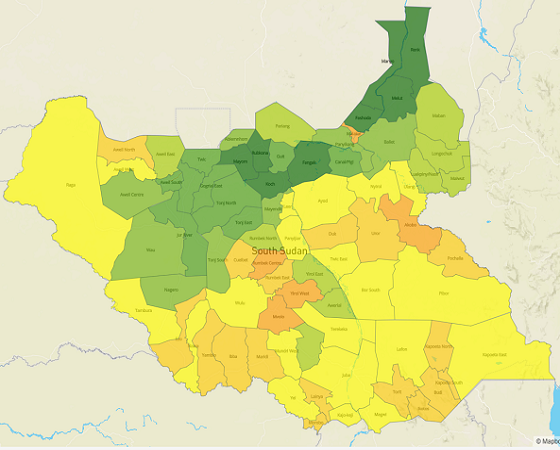
Oct 15th 2026heavy rainfall exceeding 100 mm (dark green shading) is expected over Kaji-Keji county in Central Equatoria State, northern Tambura County in WES and southwestern Wau, southern parts of Raja counties in in Western Bahr el Ghazal Stat while Moderate rainfall of about 50 –100 mm (green shading) is expected over southern parts of Torit, Magwi counties in Eastern Equatoria State; some parts of Juba, Kajo-Keji, Lainya, Yei and Morobo counties in Central Equatoria State; most counties in Western Equatoria State; most parts Wau & Raja counties in Western Bahr el Ghazal State; most parts of Aweil center & East in Northern Bahr el Ghazal State; Abyei Administrative Area; Twic in Warrap State; Rubkona county in Unity State; Maiwut in Upper Nile State; central parts of Ayod, Southern parts of Akobo counties in Jonglei State; and some parts of Pibor Administrative Area. In contrast, Light rainfall of less than 30 mm (yellow and orange shading) is expected over most other parts of South Sudan.
DownloadSSD Weekly Weather Forecast 07-14 Oct 2026
Oct 9th 2026moderate rainfall of about 50-100 mm (green shading) is expected over southern parts of Nzara and Ezo counties in Western Equatoria State; most parts of Raja and western parts of Wau counties in Western Bahr el Ghazal State; most parts of most parts of Aweil East in Northern Bahr el Ghazal State; Abyei Administrative Area, Twic in Warrap State, Rubkona in Unity State, northern parts of Ayod, Nyirol, and Akobo in Jonglei State, and Southeastern parts of Pibor Administrative Area. Light rainfall of less than 30 mm (orange shading) is expected over most other parts of South Sudan. Most parts of Eastern Equatoria State (grey shading) are expected to experience no rainfall.
DownloadSOUTH SUDAN WEEKLY WEATHER FORECAST 30 Sept-07 Oct 2026
Oct 7th 2026moderate rainfall of about 30 –50 mm (light green shading) is expected over southern parts of Tambura, Yambio, Nagero and Ezo Counties in Western Equatoria State; Raja in Western Bahr el Ghazal State; most parts of Northern Bahr el Ghazal State; Melut in Upper Nile State; South Bor, Akobo, Pochalla counties and northern and southwestern parts of Pibor Administrative Area, while light rainfall of less than 20 mm (orange shading) is expected over most other parts of South Sudan.
Download